THE ESF TRAINING FOR THE NIGERIA FOR WOMEN PROGRAM SCALE-UP PROJECT: BUILDING CAPACITY, DELIVERING IMPAC
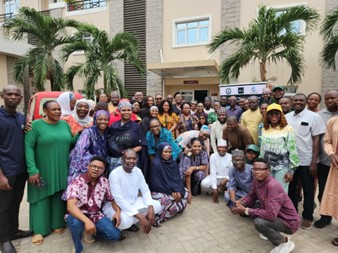
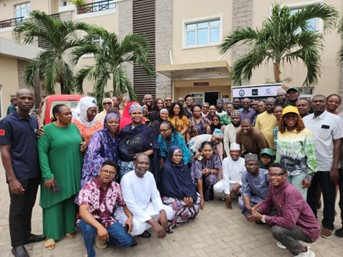
When the Federal Project Coordinating Unit (FPCU) gathered Environmental and Social (E&S) Advisers and Anchors from 23 states in Lagos, it was about far more than fulfilling a training requirement. It was a deliberate investment in capacity building for project staff implementing in communities, where it matters most.
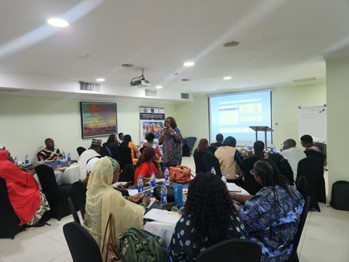
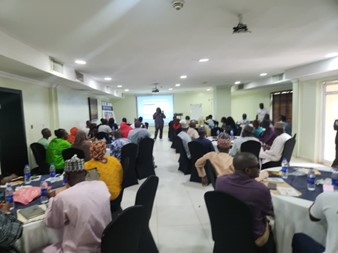
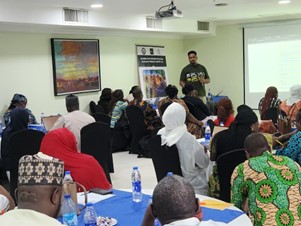
The three-day intensive capacity-building workshop on the Environmental and Social Framework (ESF) is a move that signals the FPCU’s commitment to ensuring that every project staff member has the technical competence to deliver on their responsibilities. The training was a direct response to the Nigeria for Women Program Scale-Up Project’s transition from the World Bank’s older Operational Policies to the more rigorous ESF standards.
World Bank and FPCU specialists facilitated sessions spanning Environmental and Social Standards (ESS1–ESS10), Occupational Health and Safety, land acquisition and resettlement, and hands-on use of the KoboCollect tool for grievance reporting. Day three brought particular focus to Gender-Based Violence risks, survivor-centred safeguarding approaches, and state-level action planning.
Participants arrived as practitioners and left as better-equipped professionals. They came away with a clearer command of the ESF, sharper tools for grievance and risk management, and a firmer understanding of how to handle sensitive safeguarding cases with the care and confidentiality they deserve.
For the FPCU, the result reflects exactly what coordinated federal oversight should look like: proactive, standards-driven, and grounded in the belief that strong institutions are built one trained, capable person at a time. The FPCU, under the Federal Ministry of Women Affairs, continues to invest in its people because delivering real impact for women across Nigeria starts with building the right capacity at every level of the project.